
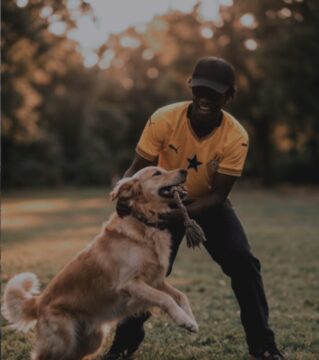
The Dog Wasn’t the Hardest Worker. So Why Is It Man’s Best Friend?

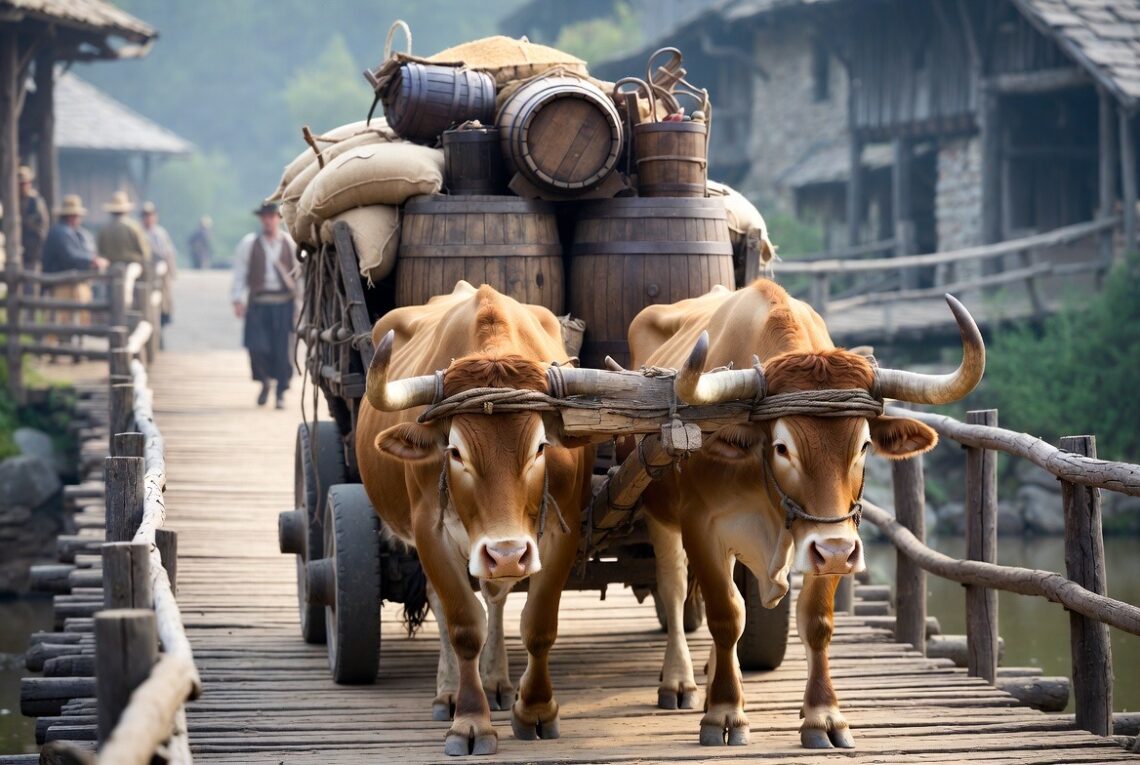
History has a funny way of rewarding the wrong employee. Imagine humanity holding an awards night for the animals that helped build civilization.
The ox walks in, covered in sweat after centuries of ploughing fields that fed entire civilizations. The horse arrives carrying medals from wars it never started and victories it never celebrated. The pigeon flies in with thousands of messages that connected kingdoms long before smartphones convinced us we’re “connected.”
Then, somewhere in the back of the room…
…a dog walks in wagging its tail.
Guess who wins “Employee of the Millennium?” Exactly. The dog.

Life Judges Success Differently Than We Think
If we’re judging purely by output, this makes absolutely no sense. Without oxen, agriculture would have struggled to scale. Without horses, trade, exploration and warfare would’ve looked completely different. Without pigeons, communication across continents would’ve been painfully slow. These animals carried civilization on their backs.
The dog?
It helped with hunting. Guarded a few sheep. Barked at strangers. Useful? Absolutely. Civilization-changing? Not exactly.
Yet today people spend thousands of euros on dog food. Dogs sleep on memory foam mattresses. Some have birthday parties better planned than weddings. Meanwhile, nobody is cuddling an ox after work. That got me thinking.

Feelings Outweigh Practical Value
Maybe life isn’t keeping score the way we think it is. Maybe the greatest skill isn’t simply being useful. Maybe it’s being unforgettable.
Dogs mastered something every successful person eventually learns. They became emotionally valuable. A dog doesn’t walk into your house asking what you achieved today. It doesn’t care whether your presentation failed or your boss ignored your email. It just looks at you like you’ve returned from saving the universe. That’s an incredible feeling.
And feelings stick. Human beings rarely remember every detail of what someone did. But they’ll remember how someone made them feel.
Think about your favourite teacher. Was it the one who knew absolutely everything? Or the one who made learning feel exciting? Think about your favourite colleague. Was it the smartest engineer? Or the person who somehow made every stressful day a little lighter?
I’ve met incredibly skilled people during my journey—from Ghana to Germany—who could solve problems faster than anyone else in the room. But the people everyone wanted around weren’t always the most brilliant. They were the ones who listened. The ones who laughed. The ones who made difficult days feel manageable. The ones who made people feel seen.
That isn’t manipulation. That’s emotional intelligence. And unlike technical skills, emotional intelligence compounds.
People Remember Experiences
You can become the most qualified person in the room. But if working with you feels like assembling IKEA furniture without instructions… People will eventually look elsewhere.
Because here’s the uncomfortable truth: People don’t hire, promote, recommend or remember spreadsheets. They remember experiences.
This doesn’t mean competence doesn’t matter. Of course it does. The dog still had to be useful. It couldn’t just wag its tail and hope for the best. But usefulness opened the door. Connection made it family. That’s a lesson worth stealing.
Whether you’re building software…
Installing solar panels…
Starting a business…
Leading a team…
Or simply trying to become someone people genuinely enjoy being around…
Never forget that humans speak two languages:
The language of logic…
…and the language of emotion.
Most people spend their lives mastering the first. The truly unforgettable master both. So yes… Work hard. Become excellent. Know your craft. But don’t become so obsessed with proving your value that you forget to become valuable to people. Because in the end, history doesn’t always remember the one who carried the heaviest load.
Sometimes it remembers the one everyone was happiest to see when they walked through the door.






 Wenn Liebe allein nicht reicht
Schreibe einen Kommentar